Gnomes are the main folk of earth. They are descended from god grubs and evolved from ancient gnomes early in the Age of Beasts. They are a peaceful race who don’t progress their society often; they are happy the way things are. Gnomes are also known for their extremely long lifespans and high tolerance for alcohol and THC.
Appearance
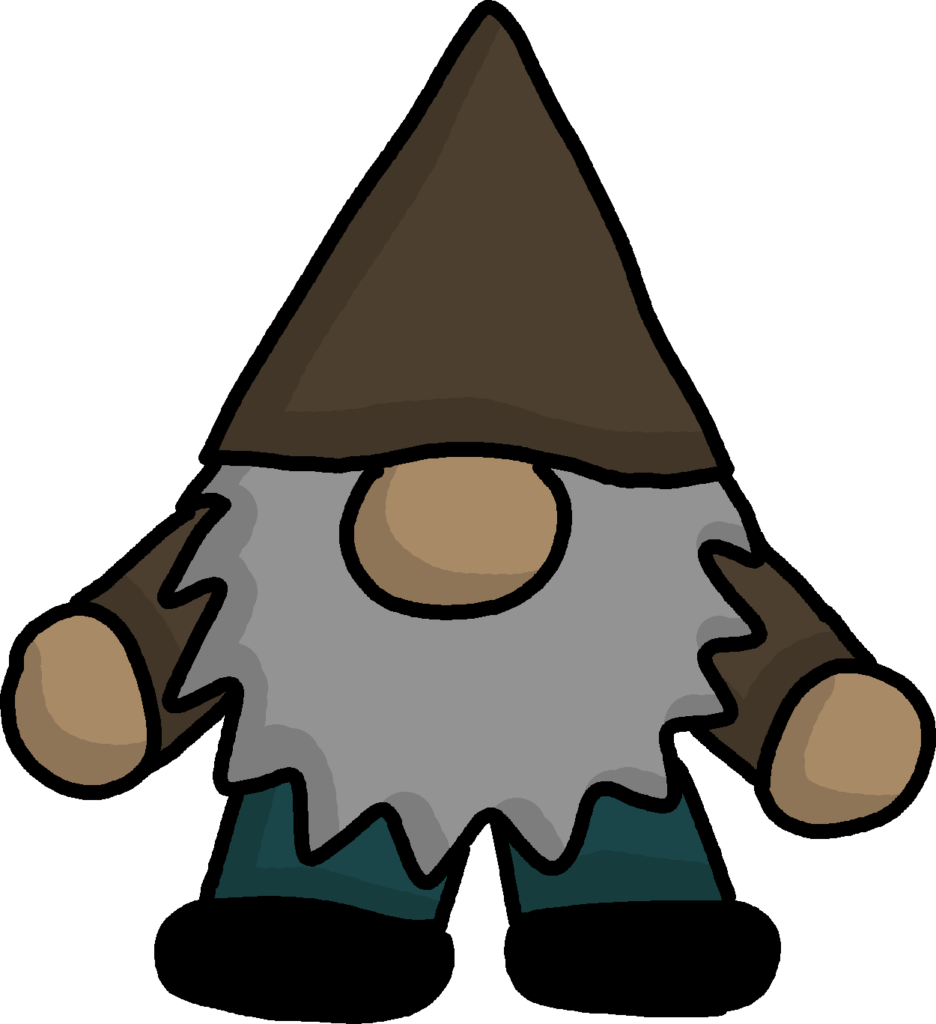
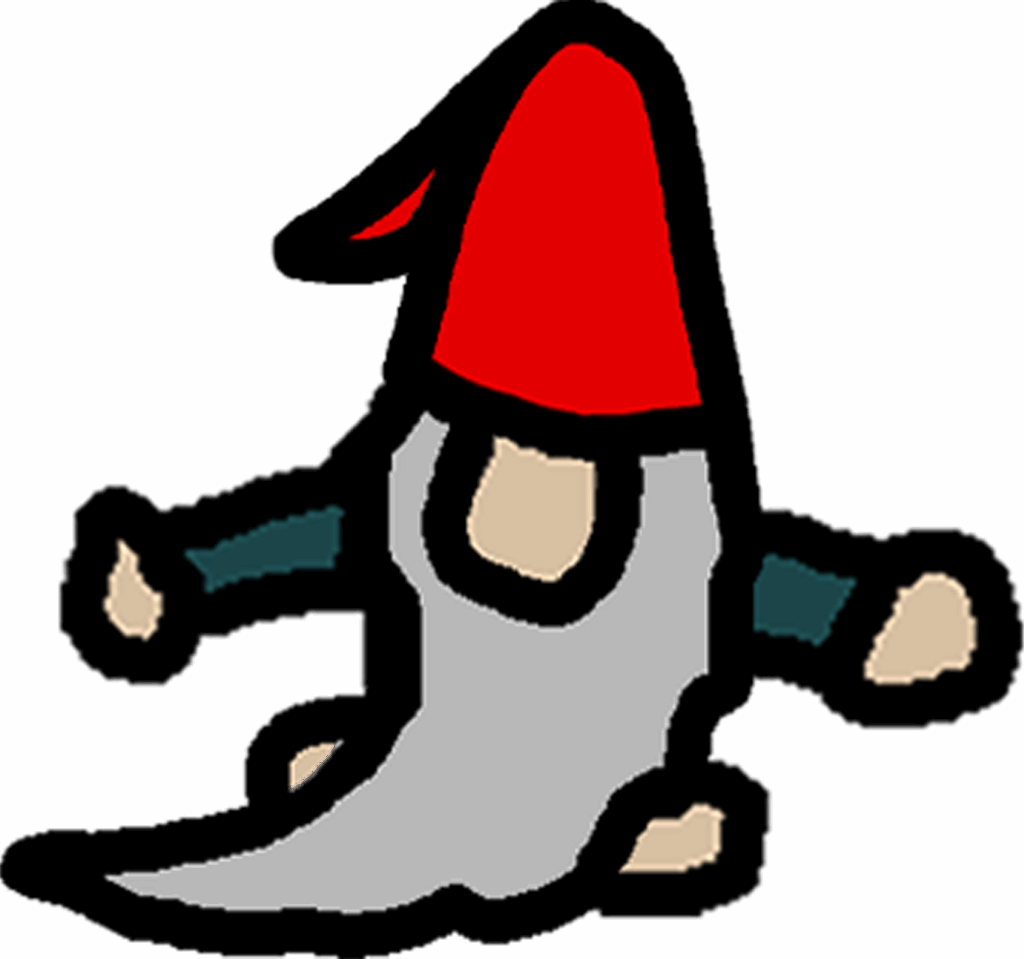
The average height of an adult gnome is just over 2 feet tall. They have beards and/or long hair, big noses, and pointy hats. Gnomes’ eyes are very sensitive to light, which is why they cover them with their hats.
Origin
Gnomes evolved from ancient gnomes in the early years of the Age of Beasts. Their lineage traces back to a tribe of ancient gnomes that inhabited Big Gnome Mountain (see The Tribe of Big Gnome Mountain for more information). The population of this tribe boomed over the first couple centuries of the Age of Beasts, and they quickly started getting smaller and more adapted for mountain climate. Over time, they became a distinct species and the tribe gradually broke apart. The new and more numerous gnomes migrated away from the mountain and towards the far north and far south of Pangea, with colder climates mirroring their previous mountain home.
Biology
Height: Gnomes are about one Gnomish Strybyt tall (2’2″ feet or about 2/3s of a meter). They evolved from Ancient Gnomes, which are taller than humans, so their small stature wasn’t always inherent.
Eyes: The eyes of gnomes are black in color and sensitive to light. This trait originates from god grubs and ancient gnomes who had to see in a dark world before the sun. Their sensitivity gives gnomes better vision in the dark, however, this trait is diminishing: the need for seeing in the dark isn’t a necessity anymore. They see three primary color: red, green, and blue.
Hair: Gnomes have long hair and beards that come in many different shapes, sizes, and colors.
Noses: Gnomes have large noses, however, their sense of smell isn’t impeccable, but instead comparable to that of humans.
Appendages: Gnomes have five fingers on both hands and five toes on both feet. They have finger nails and toe nails. They do not have a dominate hand, instead, their left hands are considered their “working hands” and are dominate for physical labor, and their right hands are considered their “writing hands” and are dominant for writing.
Legs: Though small, the legs of gnomes are built for running very fast for short distances.
Gnomes do not have nipples, but they do have belly buttons.
Gnomes DO NOT have pointy heads. However, Rusa Gnomes (a close relative) do have pointy heads.
Behaviors and Abilities
Peaceful and Unchanging: Gnomes are naturally peaceful and non-violent creatures. Their weapons reflect this, as most are built for self-defense against predators or drunken people. They are also unchanging overall, meaning that the culture and nature of gnomes stays mostly the same over time. For better or for worse, they are happy with how things are. They also crave little to no power.
Connected and Coordinated: Gnomes are very connected and coordinated with one another. Though being individuals with their own opinions and thoughts, they have a high sense of community, and act a bit like clockwork. This has a big influence on Gnomish culture.
Connected to Nature: Gnomes are connected to nature. They have a fondness for the wilderness, often relying on it for basic needs. Due to this, they treat nature with much respect.
Fast Running Speed: Even though they hunt occasionally, gnomes are not very high on the food chain which means that running is often their only defense against predators. This speed comes from their light weight, their adapted legs, and their proximity to the ground.
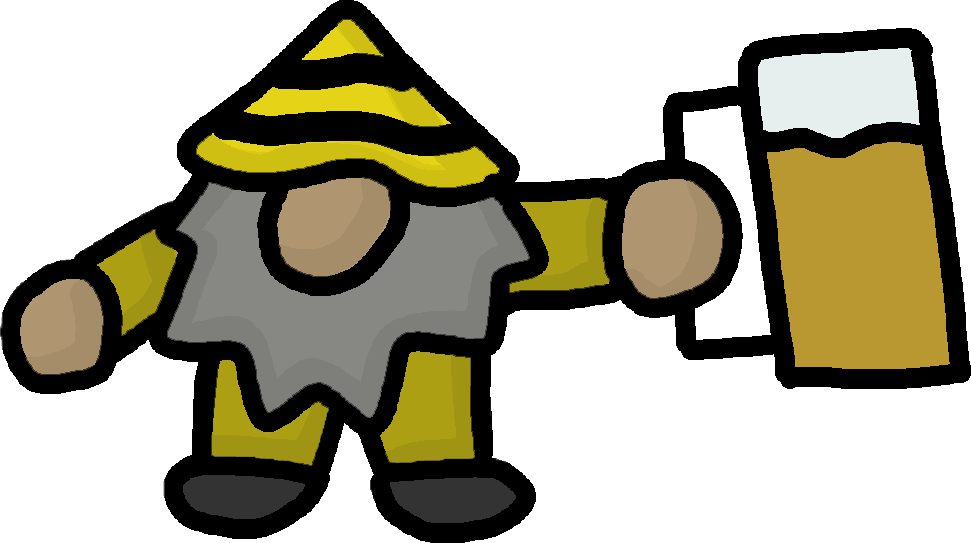
High Tolerance for Alcohol, THC, and Other Toxins: Gnomes have a strange tolerance/immunity to some toxins. They have a very high alcohol tolerance, which influences their culture in significant ways. They also have a high THC tolerance, so they enjoy smoking occasionally. They also enjoy other recreational toxins: some legal, and some illegal.
Fondness for Precious Metals: Gnomes instinctively like shiny objects such as silver and gold.
Habitat
Gnomes live in many different biomes, however, they are most suited for colder, mountainous, and forested regions. This is why Pangea is more populated in the far north and the far south: the climate is colder there. Gnomes used to be adapted for mountain climate, however, this trait has started to wear off as gnomes now live everywhere.
Lifespan and Reproduction
The lifespan of a gnome is infinite, so they don’t die of old age. However, they can still die from other causes, though it is a rare occurrence.
Being in close proximity to gnomes extends the lifespan of the other folks.
Gnomes can reproduce both sexually and asexually. Due to their long lifespans, they don’t reproduce often, but when they do, they give live-birth to grubs
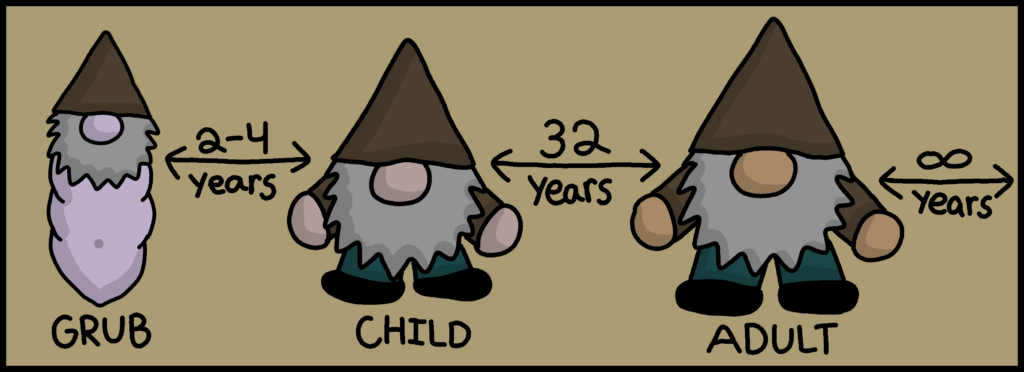
Grubs: Grubs (the name for baby gnomes) are small and worm-like, but they retain the main characteristics of adult gnomes, such as large noses and long hair/beards. Grubs also lack limbs, so gnomes grow arms and legs during their adolescent years. They have a light-purple skin-tone: a remnant trait from God Grubs. Grubs mature into children in about 2-4 years.
Children: Gnomish children look like smaller gnomes. They have shorter limbs and their skin color is lightly purple(ish). A child becomes an adult at the age of 32.
Souls
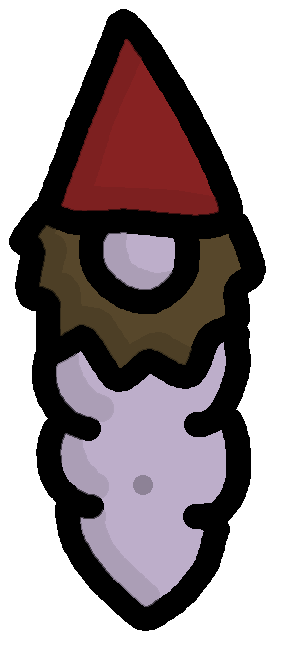
Gnome souls look like this:
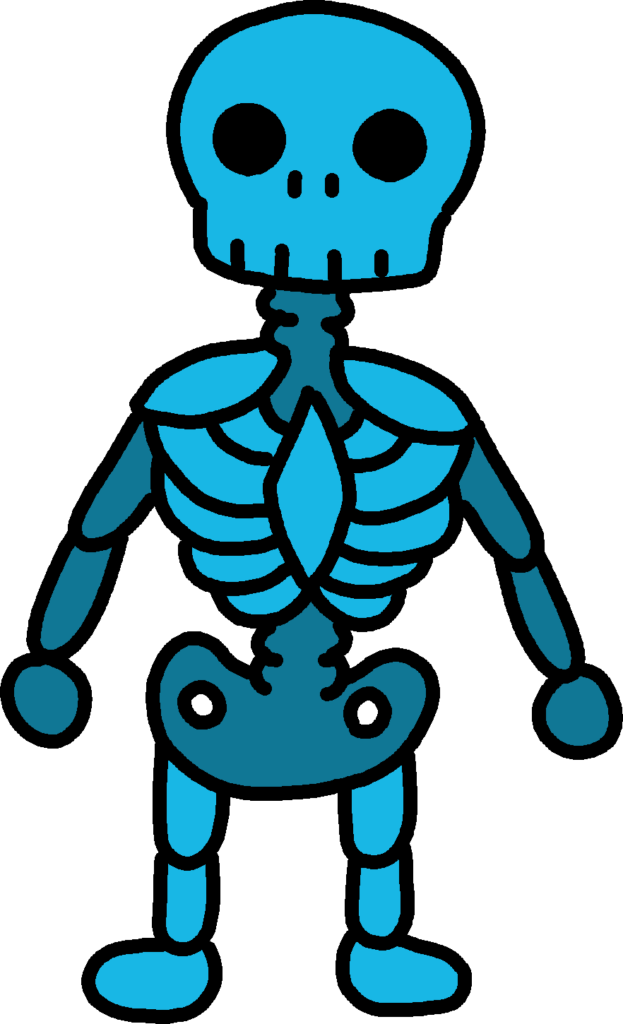
The souls of gnomes mirror the appearance of their skeletons.
Culture
Gnomes have one culture* which has stayed almost the same throughout time. This quality is very strange compared to the other folk, who have many distinct cultures. This is due to multiple factors: Gnomes are unchanging, connected, and coordinated. Also, many Gnomish traditions are extremely ancient. (see Gnomish Culture for more information).
*This one culture can have slight variants based on region and other factors.
Language
The native tongue of gnomes is Gnomish, which derives from 24 words simplified from the language of the gods (see Gnomish Language for more information). In the days of the Split Lands, many gnomes also know how to speak human languages.
Relatives
Gnomes are related to god grubs, ancient gnomes, and rusa gnomes.
Species: Gnomes, Ancient gnomes, Rusa Gnomes